
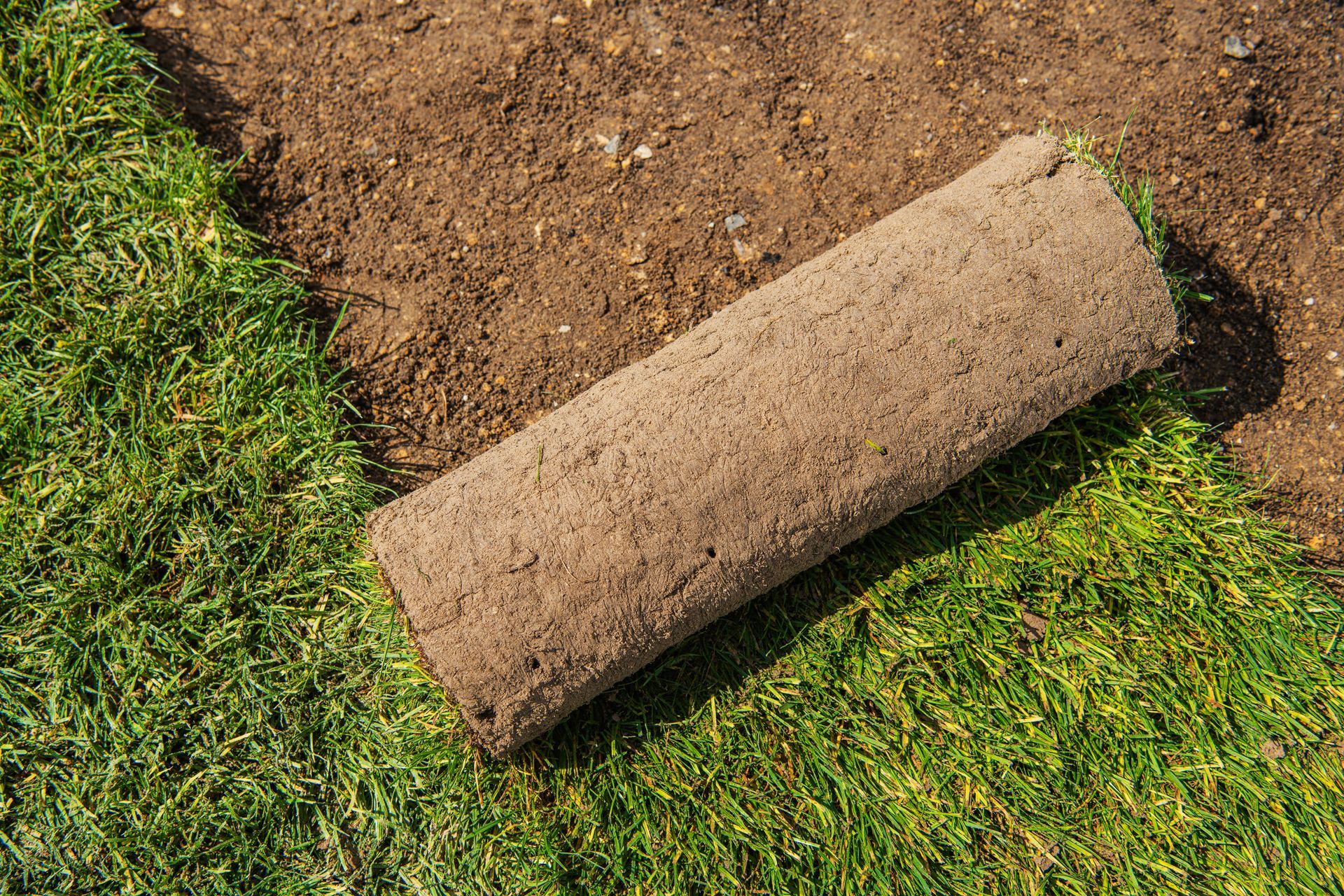
Lawns Established Through Preparation-First Installation
Sod installation and lawn renovation in Splendora for properties where poor variety selection or inadequate soil preparation has left turf thin, patchy, or unable to establish
Scott's Manicured Lawns installs sod and renovates lawns in Splendora and The Woodlands area, beginning with soil preparation and species selection before sod is delivered to the site. This service addresses properties where existing turf has thinned or failed due to shade changes, soil compaction, drainage problems, or a variety that doesn't match the site's actual sun exposure. The difference between a sod installation that establishes well and one that browns out within six weeks typically comes down to what happens before the first roll hits the ground.
Sod selection in North Texas follows sun and shade coverage more than homeowner preference — St. Augustine varieties like Palmetto perform better in partial shade, while Zoysia handles full-sun, higher-traffic applications with more density and drought tolerance than bermuda in established home landscapes. Soil amendments based on a preliminary soil assessment correct pH and organic matter levels that affect root-to-soil contact after sod is laid. Scott's Manicured Lawns holds over 305 verified reviews on industry platforms, indicating sustained customer confidence across multiple sod installation and lawn renovation projects in the North Houston area.
Request a lawn assessment to evaluate current soil conditions and identify which sod species and site preparation approach fits your property.
How Soil Preparation Directly Determines Sod Establishment
Sod installation that skips soil testing and amendment puts new turf on ground that may be too compacted, too alkaline, or too low in organic matter to support root development — roots from freshly cut sod are already stressed from harvest, and adverse soil conditions slow establishment or prevent it entirely. Site preparation includes grade verification to confirm drainage slope is appropriate for the new surface, followed by soil amendment application before final grade is achieved and sod delivery is scheduled. Grading before sod installation also eliminates the low spots that become standing water collection zones after turf is established.
Within the first two to three weeks after installation, properly prepared and watered sod shows root anchoring — the new turf resists lifting at the edges and begins knitting into the amended soil beneath. Visible establishment signs include consistent green color across all sections, new growth at the cut edges where rolls meet, and turf that remains rooted when tested with a light tug. A sod installation that's struggling shows yellowing along edges, delayed greening in isolated sections, or roll separation where roots haven't developed contact with the soil.
Lawn renovation differs from full sod replacement in that it may include overseeding thin areas, core aeration to relieve compaction, and targeted sod fill in areas where full replacement is impractical. Scott's Manicured Lawns assesses whether renovation or replacement is the more appropriate approach based on current turf coverage percentage and the underlying cause of decline. Ongoing maintenance services are available after installation to support the establishment period and transition into a regular lawn care schedule.
What to Know Before Scheduling Sod Installation
Sod installation questions typically involve species selection, what the preparation process includes, and how quickly a newly installed lawn establishes under North Texas summer conditions.
What sod species performs best in full sun in the Splendora and North Houston area?
Zoysia and bermuda both handle full-sun conditions and heat well in this region, but Zoysia establishes more slowly and manages shade transitions better, making it a stronger choice for residential landscapes with mixed sun exposure.
How does soil preparation before sod installation affect how quickly the lawn establishes?
Sod laid on compacted, unamended soil takes significantly longer to root than sod installed over properly graded and amended ground — root development slows or stalls when the sod's root zone encounters dense clay or nutrient-poor soil conditions.
When is the best time of year to install sod in North Texas?
Late spring through early summer is the most active establishment window because warm soil temperatures accelerate root development — fall installation is viable but requires more attention to watering as temperatures cool and growth slows heading into winter.
What is the difference between lawn renovation and full sod replacement?
Renovation addresses thin or partially damaged turf through overseeding, aeration, and targeted sod placement — full replacement is appropriate when coverage has dropped below a point where renovation is unlikely to produce an even result within a practical timeframe.
Why do some newly installed sod sections brown out within weeks of installation?
Browning after installation typically indicates either inadequate watering frequency during the critical first three weeks, a species mismatch with the site's sun or shade conditions, or soil conditions that prevented root-to-soil contact from developing at installation.
Scott's Manicured Lawns treats sod installation as a preparation-first process — arrange a site evaluation to confirm soil conditions, drainage slope, and species selection before scheduling sod delivery and installation on your property.