
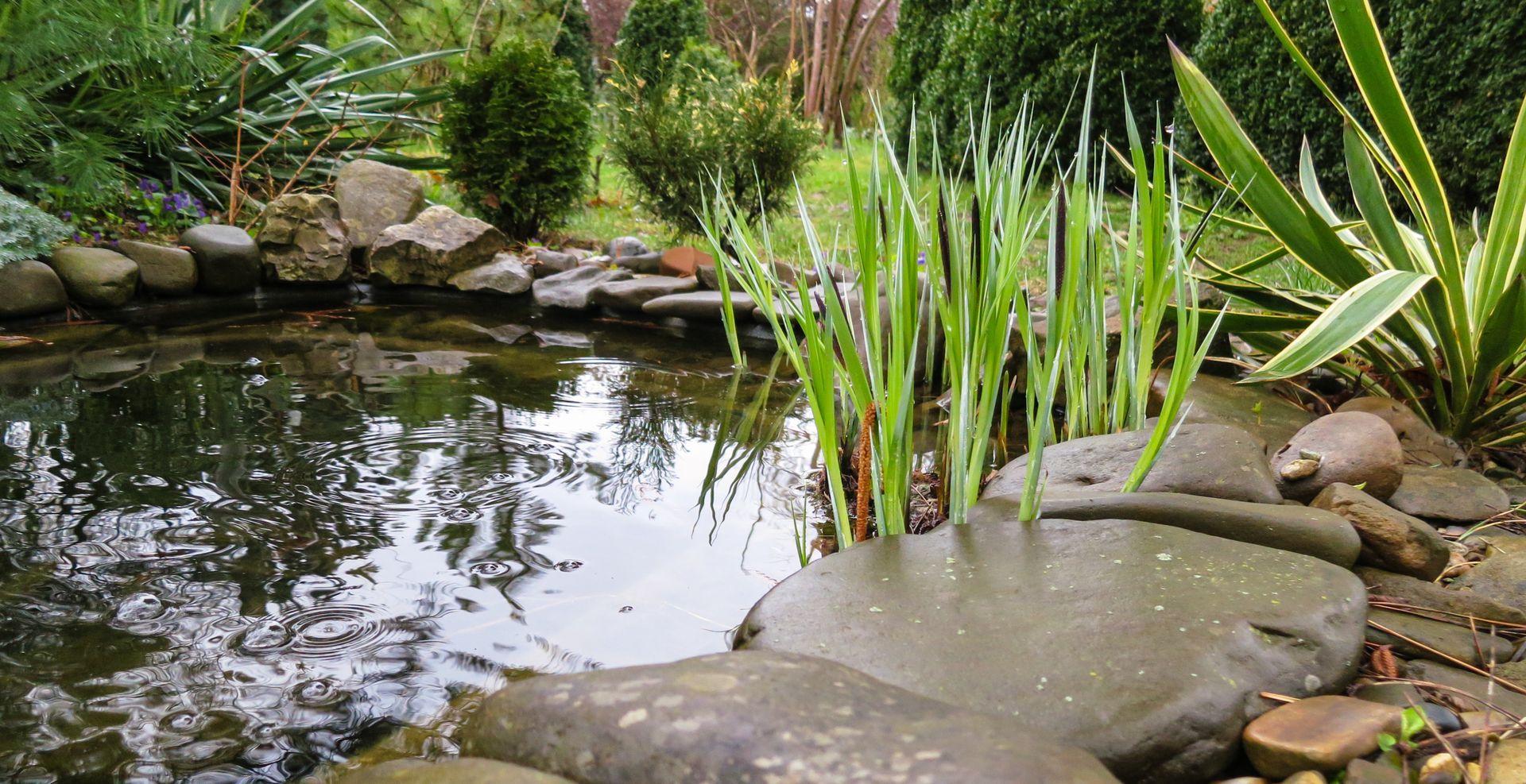
Water Features Designed for Landscape Integration
Custom water features in Splendora for residential and commercial landscapes where fountain or pond placement requires drainage coordination and electrical safety compliance
A water feature placed without accounting for the surrounding grade creates an erosion source rather than a landscape focal point — water that overflows or splashes at the wrong elevation migrates toward nearby pavers, planting beds, or foundations rather than staying within its intended footprint. Scott's Manicured Lawns designs and installs custom water features in Splendora and The Woodlands area, coordinating feature placement with the overall grading plan and hardscape layout rather than treating it as an isolated installation. Properties in high-income suburban corridors across the North Houston area use water features as premium landscape elements, and their long-term function depends on circulation system sizing and proper site preparation from the start.
Water feature design begins with the grading relationship between the feature and its surrounding surfaces — the feature needs to sit at a grade that contains splash and overflow within its intended footprint. Pump and circulation system selection depends on the feature's water volume and the maintenance expectations the client has for cleaning frequency and operating cost. Electrical supply for pump systems must meet local code requirements for outdoor installations near water, which in North Texas typically means GFCI-protected circuits installed at code-required distances from the water surface.
Arrange a site consultation to discuss water feature placement, grading requirements, and circulation system options for your landscape.
What the Landscape Looks and Functions Like After a Water Feature Is Added
Feature placement is coordinated with existing or planned hardscape and planting beds so the water element reads as an integrated component of the landscape rather than a drop-in object. Pump system sizing is selected during the design phase — a decision that determines whether the water movement is a gentle recirculating flow or an active cascade, and one that affects both operating cost and long-term equipment service requirements. Circulation and filtration system access points are designed in during installation, not located as an afterthought once the surrounding hardscape is complete.
After installation, a correctly designed and integrated water feature shows no pooling, erosion, or persistent wet zones at its perimeter during normal operation. The circulation system runs at consistent pressure without cavitation noise, the feature maintains water level without chronic refilling losses from splash or overflow, and the surrounding plantings selected for water feature proximity establish without the root saturation issues that occur when standard landscape plants receive constant moisture at the base. The sound and visual quality of the feature's water movement are directly tied to pump sizing decisions made during design.
Maintenance requirements for custom water features include pump cleaning, seasonal algae management, and winterization of the circulation system before freezing temperatures arrive. Scott's Manicured Lawns selects pump and filtration systems with maintenance access in mind — features where the pump is buried without a service vault or clearly accessible housing become difficult and costly to service within a few years. Long-term visual quality depends on consistent water treatment and circulation maintenance as much as the original installation quality.
Questions About Custom Water Feature Installation
Water feature questions before installation typically focus on placement, maintenance commitment, and how the feature integrates with existing drainage and hardscape conditions on the property.
What determines where a water feature should be placed in a landscape?
Grade relationship to surrounding surfaces, proximity to electrical supply, sight lines from primary viewing areas, and distance from existing planting beds all factor into placement — features installed without grade coordination create drainage and erosion problems at their perimeter.
How does pump sizing affect the long-term function of a custom water feature?
An undersized pump fails to maintain circulation in larger features, allowing algae accumulation and stagnation — an oversized pump creates excessive splash and accelerated water loss, increasing operating cost and requiring more frequent refilling.
When should water feature circulation systems be winterized in the Splendora area?
Pump and line winterization is appropriate before overnight temperatures drop into the upper twenties — extended operation in near-freezing conditions risks cracking pump housings and PVC fittings that carry the circulation loop.
What electrical requirements apply to outdoor water feature pump installations in Texas?
Outdoor water feature pumps require GFCI-protected circuits installed at the code-required distance from the water surface — improper wiring near water features creates both safety hazards and permit compliance issues that require correction before inspection.
Why does surrounding plant selection matter when designing a water feature installation?
Plants selected for water feature borders need to tolerate regular splash and elevated soil moisture at their root zone — standard landscape plants placed too close to an active feature often develop root rot or show chronic overwatering stress regardless of irrigation scheduling.
Scott's Manicured Lawns integrates custom water features into the full landscape plan rather than installing them in isolation — schedule a design consultation to discuss feature type, placement, and circulation system selection based on your property's layout and maintenance expectations.